

13 Basic DIY Skills Everyone Should Learn!

Ever found yourself frustrated with small home repairs, either because you can’t find a reliable handyman, or the cost is way too high for something simple? Whether it’s swapping out an air filter, patching up a hole in the wall, or shutting off your electricity, gas, and water supply. To save yourself from chaos, learn these basic DIY skills to save you time and money both.
Change Your Air Filter
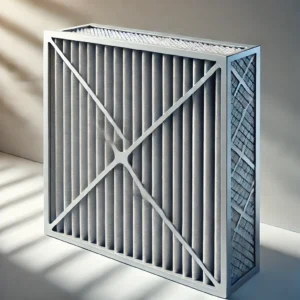
Changing air filter may seem easy and it is no doubt, but a few people might not know where it is even located. Well, don’t panic. Here is how you can do it.
First, go where your furnace is, check it out thoroughly. You may find the sir filter in the bowler compartment and if not there, it is through a metal door on the bottom half of the furnace. Or in some cases, it’s a sliding compartment on the side.
The main job of the air filter is to purify the air that circulates through your heating and cooling system. But if the filter is dirty, the airflow is restricted to your HVAC system. As a result, it becomes difficult for the machine to work and longer as well. This leads to increased electricity bill as well. Also, if the maximum holding capacity of the filter reach, it allows bacteria and dust to come through it. I’ll suggest doing it every 1- 3 month not longer than that.
Correct Hardware for Correct Hanging
Ever had a picture fall off the wall? Using the wrong hooks, nails, or screws is a common mistake. When hanging something heavy, use anchors or toggle bolts. For drywall, avoid regular nails and opt for drywall screws or command strips. This small basic DIY skill can save your walls from unnecessary damage!
Fill Holes in Your Drywall
Well, you may not realize but it is extremely important to learn how to fill those holes in the wall that may be a result of your frame or if you’ve just shifted to a new home. It’s easier so no need to called handyman.
Take a container of spackle and a putty knife. Scoop a bit of it on your knife and apply carefully and smoothly on the effected or damaged wall. Once the hole is completely filled, use a flat side of the knife to spread it equally and allow it to dry. It will take 30 or may be hours to get fully dry so be patient.
Once dry, clean the area gently and paint the wall with the matching color obviously. When the paints get dry, you’ll be amazed seeing the result. Or might get confused, if the hole was even there before.
Use a Caulk Gun

Caulking is one of the basic DIY skills you can learn and it’s so easy and satisfying to do. It is the process of filling gaps and leakages in your bathtub, around windows or even the kitchen counters. You can use a caulk gun to keep the process easy. Cut the tip, fill in the tube and apply the required pressure as you move along the cracks. Once it is done, level it by smoothing it out with a damp cloth for a perfect finish. Isn’t it easy?
Operate a Power Drill
A power drill is a must-have tool for anyone interested in basic DIY skills. And trust us it just looks scary on contrary, it’s so easy to use. And once you know how to operate, you can assemble your furniture, install shelves, or anything similar all by yourself.
Just choose the right drill bit, adjust the speed as per your need and start drilling with a stable pressure. All it needs a practice and voila saves so much of your money and time.
Turn Off Water, Gas, and Electrical
Each member living in the house must know these 3 things:
- Main water line
- Main electricity circuit
- Main gas valve.
- If the handle of your main water valve is parallel with the water pipe, it means it is “ON”. If you want to stop the waterflow, rotate the handle clockwise to stop the water flow.
- When it comes to gas, the best practice is to call the gas company as soon as possible. Try to turn off your individual gas appliances, like that of water valve.
- Lastly, to shut off the electricity power supply, flip the main circuit breaker inside the electrical panel. It is usually at the very top. Also, there are individual circuit you can switch off you want to stop the power supply of any specific area of your home.
Use a Fire Extinguisher

Knowing how to operate a fire extinguisher not only help you with emergency situations at home but also in hospitals, shopping malls, or anywhere else. To make it easy, just remember the word PASS which stands for:
- Pull the pin
- Aim at the base of the fire
- Squeeze the handle
- Sweep from side to side Make sure your extinguisher is always within reach and check the expiration date regularly.
Basic Plumbing Skills
Minor plumbing issues don’t always require a professional. Learn how to unclog a drain using a plunger, tighten a leaky faucet, and replace a showerhead. These basic DIY skills can save you from spending money on unnecessary service calls.
Paint a Wall
A fresh coat of paint can transform a room! To get a professional-looking finish, start by cleaning the walls, taping off trim, and using a primer. When painting, use even strokes and avoid overloading your brush or roller. With a little patience, you’ll have a flawless finish.
Operate a Power Washer
A power washer can make your driveway, deck, and siding look brand new. The key is using the right pressure setting—too strong, and you might strip paint or damage wood. Start with a lower pressure and move up as needed. Always spray at a slight angle to avoid water seeping into places it shouldn’t.
Stock Your Toolbox

Confused what to have in your toolbox? Here are some basic tools you must have:
- Hammer
- Screwdrivers (flathead and Phillips)
- Adjustable wrench
- Measuring tape
- Level
Pliers Having these tools on hand means you’re always ready for any small fix or project.
Fix Basic Toilet Issues
I understand how annoying a runny or clogged toilet is. But do you know it is easier to fix than you think. At times, it is just the chain inside your tank is the issue, or you can use a plunger to solve the issue. If your toilet is constantly running, try replacing a flapper or filling the valve might solve the issue. These are cost effective and simple to stall as well.
Hire a Trusty Contractor
Even if you master these basic DIY skills, some jobs require a pro. Finding a trustworthy contractor is crucial for bigger projects. Get recommendations, check online reviews, and always get multiple quotes before hiring someone. A little research goes a long way in ensuring quality work at a fair price.
Final Thoughts On Basic DIY Skills
Having grip on these basic DIY skills will help you feel more confident in maintaining and improving your home. Moreover, it can save you a lot of money and time that you waste while waiting for someone to come and fix these small damages.
So, which DIY skill are you learning next? Let us know in the comments!
Author


