
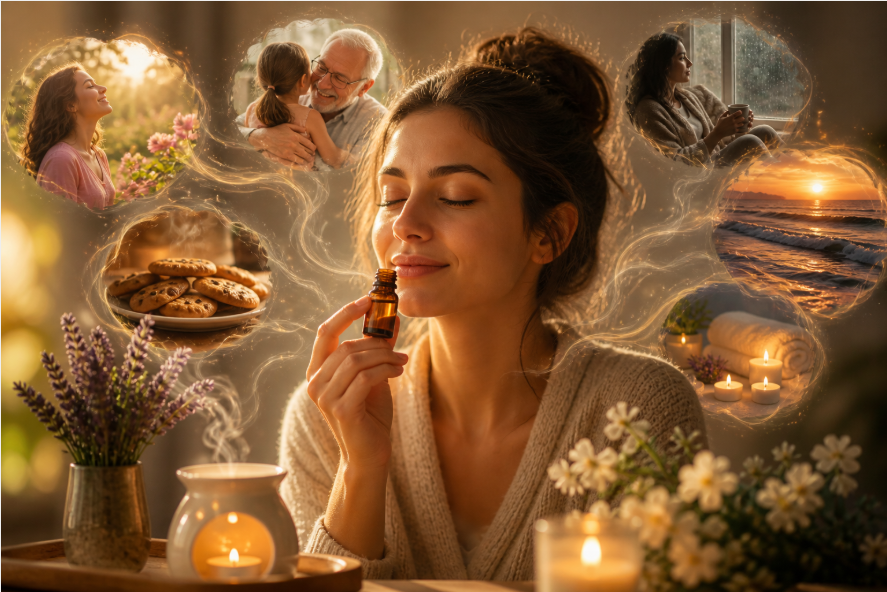
The Connection Between Scent and Emotional Wellbeing
You walk into a cozy bakery and smell warm, freshly baked bread. You cannot help but smile when that comforting aroma reaches your nose. Or step into a flower shop with colorful blooms all around you. You take a deep breath, and suddenly the day feels just brighter. It is all part of scent and emotional wellbeing for everyone, truly. It’s funny how a scent can do that to your mood and spirit. It is like a thread connecting your memories and emotions together. Whether it is Grandpa’s cologne or the smell of mom’s fresh cookies. Scents play a huge and meaningful part in all of our daily lives. And guess what? Tapping into this connection could lift your mood today.
Table of Contents
- The Science Behind Scent and Emotions
- Aromatic Associations: Memories and Moods
- Scent Psychology: Why We Sniff Before We Feel
- Aromatherapy Benefits: Bottle Up That Good Vibe
- Fragrance and Mental Health: Sniffing Out Positivity
- The Impact of Specific Scents on Emotions
- Creating a Personal Scent Sanctuary
- Aromas in Everyday Life and Workplace
- Potential Challenges and Missteps with Scent Use
- Conclusion: Smell the Roses – Literally and Figuratively
1. The Science Behind Scent and Emotions
Alright, let’s geek out for a sec. The sense of smell isn’t just random; it links right to your brain’s limbic system. This part is all about emotions, memories, and excitement. When a scent hits your nose, bam! It sends signals to these emotional areas faster than a hiccup. And before you even realize it, you feel a wave of warmth or joy. Wild, isn’t it? This is scent psychology doing its thing. No wonder a whiff can zap you from grumpy to happy in no time.
2. Aromatic Associations: Memories and Moods
Here’s a fun idea: think of a childhood smell. Maybe it’s dusty chalk or your grandma’s cooking. Ever notice how it brings a flood of memories? But that’s not all. Studies say scents are top triggers for memories. Like when the smell of your high school friend’s perfume makes you feel all nostalgic. See how fragrance affects emotions? Good stuff, right? Dive into these scents, and they can honestly make your day better. See? Scent is a kind of time-travel.
3. Scent Psychology: Why We Sniff Before We Feel
Ever wonder why you love lavender but not cilantro? There’s a blend of reasons. Scent preferences mix bits of psychology, culture, and personal experiences. Plus, different places love different smells. Your childhood even decides what smells like home and what’s plain awful. Scent psychology is your brain’s quirky magic trick. It’s why you sniff before feeling. Cool, huh?


4. Aromatherapy Benefits: Bottle Up That Good Vibe
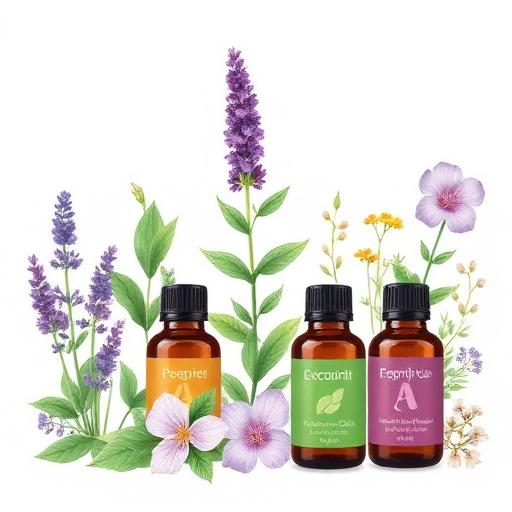
Let’s chat about aromatherapy. It’s like happiness packed in a bottle. Essential oils like lavender, peppermint, and eucalyptus don’t just smell good. They make you feel good, too. Feeling jittery? A dash of lavender calms the nerves. Want a mood boost? Citrus scents give a pep that even your favorite tune can’t. So next time someone gifts you a tiny essential oil bottle, smile wide. And yes, I really mean it. They’re little bottles of good vibes. Aromatherapy benefits are your secret tool for balancing fragrance and mental health.
5. Fragrance and Mental Health: Sniffing Out Positivity
Scents may help with mental health—seriously. When it comes to scent and emotional wellbeing, research suggests the right fragrances can ease stress and anxiety. Ever notice how a hint of vanilla can make a rough day feel instantly cozier? You’re onto something. These scents act like quiet coping companions when life feels overwhelming. Remember those aromatherapy benefits? Think of them as your personal zen crew, always there when you need a reset. So whatever the day throws your way, you’ve got aromatherapy on your side.
6. The Impact of Specific Scents on Emotions
Let’s decode some scents:
- Lavender: Stress be gone! Like a snug hug, feels calm.
- Eucalyptus: Clarity-time. It’s breathing focus.
- Citrus: For happy vibes, sunny and bright, all in one.
- Rosemary: Brain fog lost? It’s mental clarity in a leaf.
Scientific studies and everyday tales agree on how fragrance affects emotions. Take that, skepticism!
7. Creating a Personal Scent Sanctuary
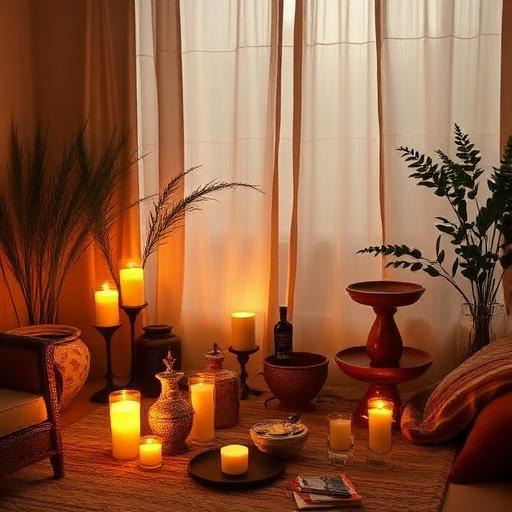
Everyone needs a chill zone. A personal scent sanctuary is yours to make. It’s more than what you smell. It’s a full-on sensory symphony. Light candles with your favorite scents, put on relaxing jams, and surround yourself with cozy fabrics. It’s like a spa day right at home. Your little escape corner, just a few sniffs away.
8. Aromas in Everyday Life and Workplace
Scent isn’t just for home or nighttime chill. You can use it to squash stress or boost focus at work, too. No joke. Try adding a subtle diffuser with calming or invigorating smells. It makes your workspace way more inviting. I know, right? The productivity boost is real. Just imagine if scents could make endless coffee, too.
9. Potential Challenges and Missteps with Scent Use
But, be careful. Overdoing it with scents can backfire. Your grandma’s strong perfume? It could become a workplace joke. Mixing too many smells at home? Hello, awkward science experiment. So here’s how to play it safe:
- Stick to one scent theme. Not lavender-peppermint-citrus-basil combo, please.
- Keep it light. Think breeze, not hurricane.
- And seriously, respect scent-free areas! ‘Cause harmony matters.
10. Conclusion: Smell the Roses – Literally and Figuratively
Time to take a breather and smell those roses, both real and not. Scents are simple but pack a punch for emotional wellbeing. Now, it’s your turn to explore fragrances. Share your favorites in the comments. No judgment, even if it’s the smell of new books! Embrace your unique preferences. Enjoy them. And keep on sniffing those happy vibes. You totally deserve it. So, what’s your go-to happy scent?
Looking to further enhance your atmosphere with DIY projects? Check out our guide on DIY scented candles with essential oils. If enhancing your workspace is a priority, here are some home office setup ideas you’ll love.

