

Root to Stem Cooking in Winter: Minimizing Food Waste with Seasonal Veggies
Picture this, okay? A kitchen filled with the warm smell of roasting root veggies. Sounds good, right? Now, add the vibrant colors of winter squash—from root to stem. Can you imagine it? That’s the scent of eco-friendly cooking at its best! Today, we’re diving into root to stem cooking—a super sustainable approach that helps cut down on food waste while letting us savor all of winter’s produce. Ready to turn those veggie scraps into delicious dishes? Let’s dive in!
Table of Contents
- Understanding Root to Stem Cooking
- Why Winter is Perfect for Root to Stem Cooking
- Essential Winter Vegetables for Root to Stem Cooking
- Root to Stem Zero Waste Recipes: Soup Edition
- Creative Side Dishes from Stems and Leaves
- Winter Cooking Hacks for the Sustainable Chef
- Planning Your Sustainable Kitchen
- Common Mistakes and How to Avoid Them
- Conclusion: Embrace the Whole Veggie
1. Understanding Root to Stem Cooking


Root to stem cooking is like using the whole animal, but for veggies. It’s about using every bit from root to stem. And yes, I really mean it. This idea turns what some might call scraps into flavor treasures. You can make tasty stocks, broths, and even garnishes with parts you’d usually toss. It’s planet-friendly dining on your plate. Imagine the chop-chop-chop as you handle that funky carrot top. I know, satisfying, right?
2. Why Winter is Perfect for Root to Stem Cooking
Winter makes you think of bare trees, chilly winds—brrr, right? But it’s a hidden gem for root to stem cooking. Hardy veggies like carrots, beets, and turnips are ready to shine. Plus, they bring flavors that liven up any dish. Who wouldn’t love that? Seasonal veggie ideas come alive as you uncover the sweet side of roasted beet greens. Ever tasted a lightly fried carrot top? Adds a nutty twist. Sound familiar?
3. Essential Winter Vegetables for Root to Stem Cooking
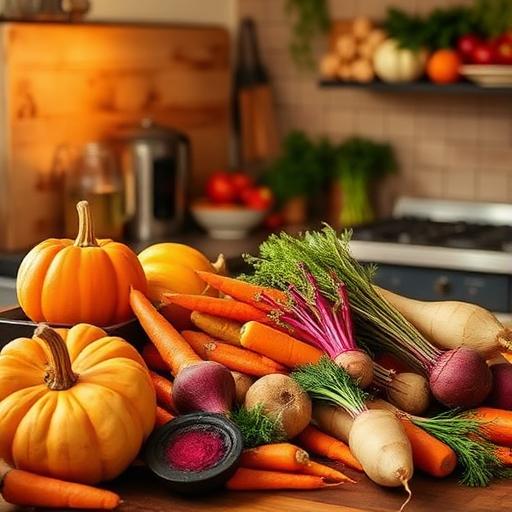

Let’s talk veggies. Here’s our top winter picks for root to stem wonders.
- Carrots: So versatile, even the tops make great pesto.
- Beets: Think the greens only belong in the compost? Nope, salads or sautés are where they’re at.
- Turnips: Don’t judge! The greens are a tasty leafy add-on, and caramelized roots are something to talk about.
Honestly, each veggie brings its own flair. One minute, you’ve got a traditional dish. Next, you’re adding beet leaves for a peppery twist.
4. Root to Stem Zero Waste Recipes: Soup Edition
Soups and winter? Best friends. And an epicenter for root to stem cooking. Every veggie bit adds layers of flavor and warmth. Imagine root veggies simmering in a broth made from… their own leftovers. Wild, isn’t it? A heartwarming circle of life.
Recipe Ideas:
- Carrot Top and Potato Soup: Silky potatoes snuggle with fragrant carrot tops.
- Beet Greens Borscht: Like a color and flavor explosion, from root to leaf.
- Turnip Leaf Minestrone: Supposedly bitter leaves adding depth? Yes, please!
A rogue spinach leaf might surprise you midway. It’s nature’s surprise comedian at a jazz night.
5. Creative Side Dishes from Stems and Leaves
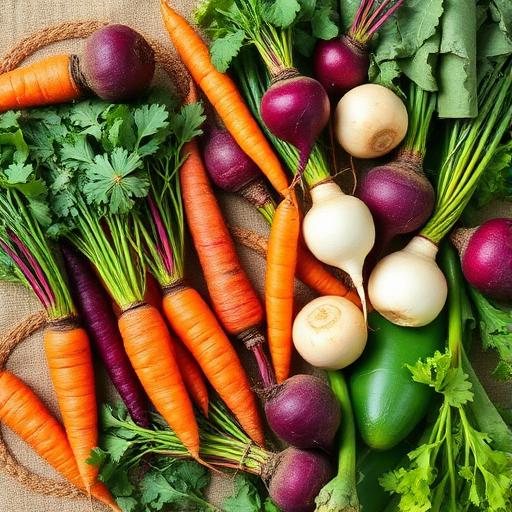
Think leaves and stems are only for compost? Think again. They hold untapped potential. Next time you think about tossing beet greens, stop! Try turning them into side dishes that shine.
- Beet Greens Salad: Tossed with olive oil, lemon, and walnuts.
- Stir-Fried Carrot Tops: Quick fry with garlic, soy sauce for a crunchy delight.
These textures and tastes will change how you see veggie scraps. Add some balsamic drizzle and you’re basically a food magician!
6. Winter Cooking Hacks for the Sustainable Chef
Let’s not complicate things—some handy tips:
- Freezer-Friendly: Prep stems and leaves, freeze them for soups or stocks.
- Dry It Out: Carrot tops can be dried for refreshing tea or spice mix.
- Befriend Fermenting: Pickling offers fresh ways to preserve parts like stems. Ever tried that before?
These hacks save time while maximizing seasonal veggie ideas. It’s like enjoying your eco-friendly cake—and eating it too!

7. Planning Your Sustainable Kitchen
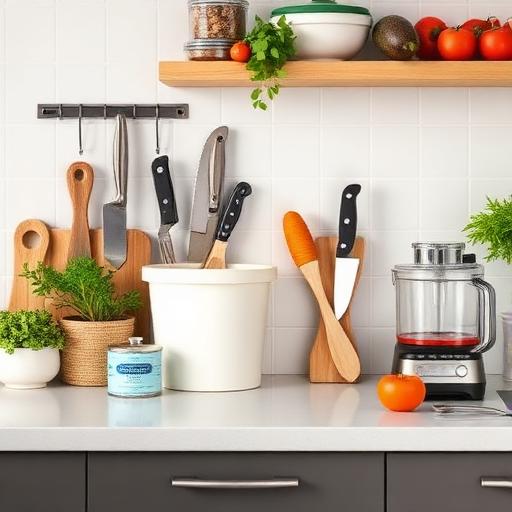
To truly nail root to stem cooking, a sustainable kitchen setup is key. Here’s what you need:
- Compost Bin: Because some scraps are just inevitable.
- Sharp Knives: Chopping should be fun, not a fight.
- Trusty Blender/Food Processor: For turning overlooked parts into soups or dips.
Armed with these sustainable kitchen tips, your space will run smoothly. No oil spills, promise!
8. Common Mistakes and How to Avoid Them
Root to stem cooking isn’t rocket science, but common blunders might arise. Making potato peel taste like bacon? Nope.
- Mistake: Ignoring seasoning.
- Solution: Use salt, citrus, and herbs to elevate dishes.
- Mistake: Overcomplicating recipes.
- Solution: Keep it simple, let veggies speak for themselves.
Remember, enjoy the cooking process. Not worth losing hair over!
9. Conclusion: Embrace the Whole Veggie
And there you have it—a whirlwind tour of root to stem cooking winter-style. It’s more than just enjoying culinary creations. It’s about taking small steps to reduce waste, appreciating nature’s bounty.
Check out our custom candle-making guide for more DIY inspiration. If you’re interested in sustainable living, explore our blog on vegetarian meals with protein.
So, the next time you shop for veggies, think about the potential in each piece. Get creative, try something new, and start reducing kitchen waste today—one delicious bite at a time!

