

Mindful Eating Tips To Help You Let Go of Food Anxiety
Picture this: you’re at a swanky restaurant, staring at a beautiful dish. But your mind’s thinking about calories and carbs instead of enjoying the meal. Sound familiar? Food anxiety can ruin a good meal. But, what if there’s a way to kick that anxiety and enjoy food again? Well, there is, and it’s called mindful eating.
Mindful eating isn’t just another fad; it’s about finding joy in eating while calming food anxiety. In this blog, I’ll be sharing some mindful eating tips that are both practical and enjoyable. We’re talking real advice and mindfulness techniques here. Ready to transform your mealtime from hectic to harmonious?
- Understanding Food Anxiety
- The Basics of Mindful Eating
- Developing a Mindful Eating Environment
- Practicing Mindful Eating Meditation
- Incorporating Mindful Eating Exercises
- Embracing Sensory Experiences
- Listening to Your Body’s Cues
- Mindful Eating Techniques for Meals
- Creating a Supportive Community for Mindful Eating
- Conclusion: Embrace a Mindful Relationship with Food
1. Understanding Food Anxiety
First up: food anxiety. It’s that annoying voice making you worry about every bite. Common triggers might be past diets, societal pressures, or even Grandma’s judgments (again with the pie). It’s not just in your head; it can mess with your body too. Anyone here ever had a stomach ache?
But good news, everyone. Mindful eating practices can turn down that anxiety. Just like turning down a loud TV. Bring awareness and calm to meals, and that voice quiets down. A little R&R for your tummy, right?
2. The Basics of Mindful Eating
So, what’s up with mindful eating? It’s about being present. Savor each bite like it’s the last cookie you’ll ever have. In contrast to regular eating, where you’re gobbling food while watching TV, mindful eating is pure focus and presence.
- Chew slowly. No need to count chews, but don’t inhale your food like a hyena.
- Use your senses. Smell, taste, see—it’s all fair game.
- Be grateful. For the food, the cook, or even the dishwasher fairy.
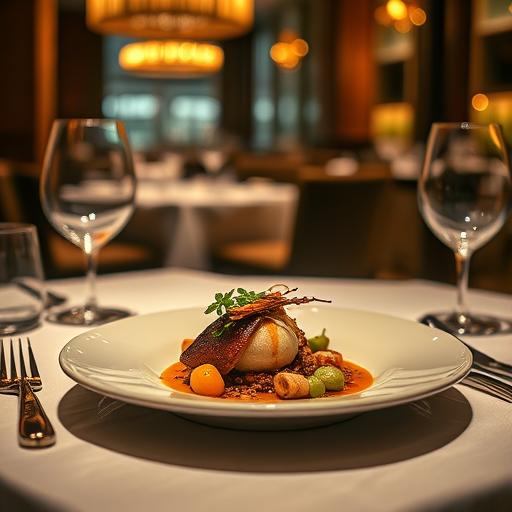
3. Developing a Mindful Eating Environment
A calm space is key. Imagine a dining table that’s a circus—plates, gadgets, maybe a clown shoe. Total chaos.
Instead, do this:
- Clear the clutter. Your table should whisper “Zen garden,” not “garage sale.”
- Ditch distractions. Turn off the TV and tuck away your phone. Save doom-scrolling for later.
- Set the mood. Dim the lights or light a candle. Instant relaxation.
4. Practicing Mindful Eating Meditation
Ever tried mindful eating meditation? It’ll calm the racing mind. Before you dig in, take a second. Close your eyes, breathe in through the nose—feel that air!—breathe out. Relaxing, right?
This meditation quiets food anxiety. You’re not just shoving food in; you’re savoring an experience. Each breath brings you closer to that delicious meal. Take a deep breath.
5. Incorporating Mindful Eating Exercises
Start meals with gratitude. Think about your food’s journey—from farm to fork. Poetic, maybe? Try it. You’ll see your plate differently.
Mindful chewing exercises help, too. Focus on taste and texture. Hear the crunch of celery, feel the butteriness of a croissant. These little mindful eating exercises will make you appreciate what’s in front of you. Wild, isn’t it?

6. Embracing Sensory Experiences
Now, let’s talk about senses. Eating isn’t just filling up; it’s about enjoyment.
Spotlight these:
- Color: The bright reds of tomatoes, the fresh green of spinach.
- Smell: Fresh coffee, roasted garlic wafting through the air.
- Texture: Hear the crunch of an apple or the smoothness of mousse.
Using sensory cues enhances eating. Gives space for mindful eating magic.
7. Listening to Your Body’s Cues
Fact: your body talks. Not literally, but it gives hunger and fullness signals. Tuning in is an art.
Quick exercise: Before eating, pause. Ask if you’re really hungry or just bored. During meals, listen to your body—it’s got some high-tech sensors. Tuning in can help prevent overeating.

8. Mindful Eating Techniques for Meals
Want to slow down? Here are some mindful eating techniques:
- Put utensils down between bites. (Radical!)
- Savor the first bite like it’s a royal banquet.
- Chat a bit—not too much, but enough to be social.
Practicing mindful eating means enjoying each morsel, not gulping food before the lunch break ends.
9. Creating a Supportive Community for Mindful Eating
Mindful eating is more fun together. Share your experiences, join groups, maybe even a “chewing” club. Kidding! Actually, mindful eating workshops can be fun and—let’s be real—full of giggles.


Conclusion: Embrace a Mindful Relationship with Food
So here’s the takeaway: mindful eating can cut food anxiety and make meals happier. Isn’t that the goal—more joy with every bite?
Start small. Use these mindful eating tips every day. It’s not about being perfect. It’s about being present and letting go, meal by meal. So go on, make a meal a celebration. Your stomach—and your spirit—will thank you.
Interested in diving deeper into mindfulness? Check out our Mindfulness and Meditation Practices for Beginners to start your journey. For more tips on living healthily, explore our guide on Healthy Meal Prep Ideas to ease your busy weekdays.

